

Frequently Asked Questions About Travel Insurance
Whether you’re planning a short Ireland travel vacation, a vacation under the sun, a ski trip to the Alps, a train ride, or a safari adventure, there’s no doubt that you should take out travel insurance. With travel insurance, you’ll have the best travel experience without minding your concerns. But if you still have doubts or questions about it, we address the most commonly asked questions about travel insurance with the post below.
Why Should You Buy Travel Insurance?
 There are many reasons to buy travel insurance because of its benefits. For instance, you can protect your items, health, and well-being while traveling. You can also safeguard your financial investments on your trip. There is also the need to cover the high medical costs you incur if you are injured or become ill while traveling abroad, which may not be covered by your state’s health program, and to cover the costs of your evacuation to a medical center of excellence or directly to your home. In other words, you want peace of mind while on a trip. Travel insurance is an excellent value for travelers who are concerned about: the cancellation, postponement, or interruption of their trip for reasons beyond their control; the maintenance of overseas medical care, medical evacuation, and fees for these services; and the safety of personal baggage.
What Exactly Does It Insure in General?
Depending on the insurer, the coverage of travel insurance varies, but the following are the most common:
Travel Medical and Evacuation Insurance – this covers the medical emergency expenses while you are on your trip.
Trip Cancellation & Interruption – this vacation insurance is probably the most common type of travel insurance policy sold in North America. It ensures your non-refundable travel expenses in case you are unable to make the trip due to unforeseen circumstances, such as illness or the financial collapse of the trip provider. It also covers you in case you get sick during your trip and have to return home.
Flight Insurance – covers accidental death and dismemberment while you are traveling on the commercial aircraft.
Trip Delay – provides a nominal reimbursement for travel delays such as plane departure being postponed.
Luggage Insurance – provides compensation for lost or stolen luggage, usually as part of a vacation insurance plan.
Assistance – most insurers provide a 24-hour hotline for help with medical care, transportation, and accommodation needs, notification of family and friends in case of emergency.
The above programs are often sold as single trip programs. On the other hand, vacation insurance and travel and evacuation plans can also be marketed as annual multi-trip insurance plans that cover you for the entire year up to one month per trip.
Does Your Domestic Insurance Cover You?
 It’s important to figure out what coverage you have through your home or health insurance, or credit card. But travel insurance policies, in particular, offer coverage for travel cancellations/interruptions, which protects your financial plan. And not all health insurance programs offer comprehensive coverage …

 Injuries can certainly occur. Regardless of what happens, you may have to accept extenuating circumstances. But you can avoid footing the bill in the event of an accident. Your requirement can ensure the safety of workers and the general public. So, if you want to get a contractor’s permit, you have no choice but to keep your land liability, workers’ compensation insurance.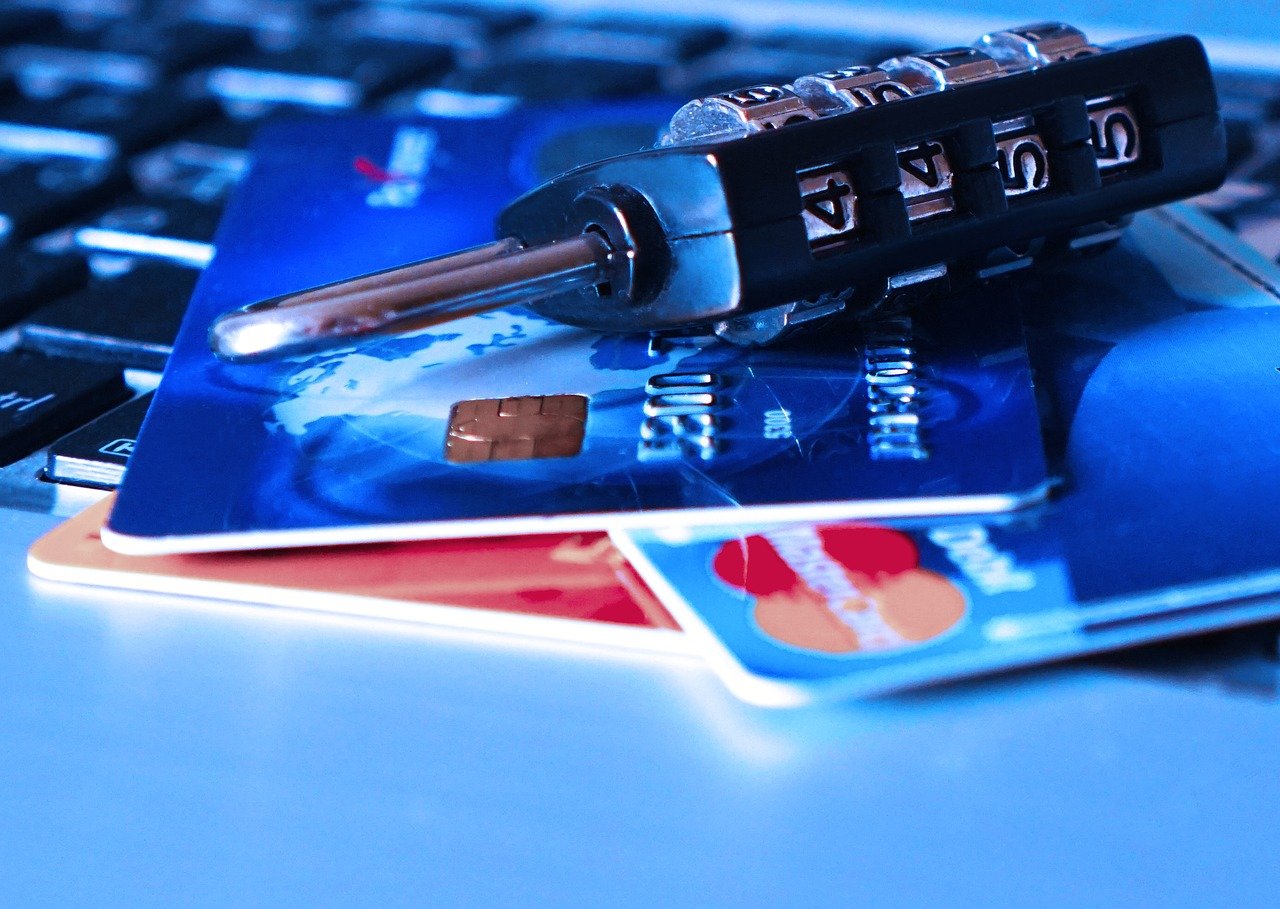
 Many people tend to believe that only credit repair companies can repair credits. But on the contrary, a credit repair company can do nothing for you that you can’t do for yourself. Many pieces of information are available in books and online that you can use as a reference to familiarize yourself with how credit works and what you can do to repair your credit.




 Traditional insurance policies are inadequate against most aspects of cybercrime damages. Their policies are based on physical assets, not data assets. They can rarely specify a cyber-risk policy, and even when they do, a security breach is excluded. Intellectual property violations, advertising and content violations on the World Wide Web, employee dishonesty, and cyber fraud are “Greek” terms for conventional insurance companies. They do not recognize financial mitigation, curtailment or business closure due to hacker cybercrime.
 One of the best things about having Medicare insurance is that it offers urgent care. Today he is quietly a cheerful guy and can get all the benefits of the insurance plan. He moved some of his other friends to go through the same position to sign up for Medicare advantage plans and felt the gap after purchasing a strategy.